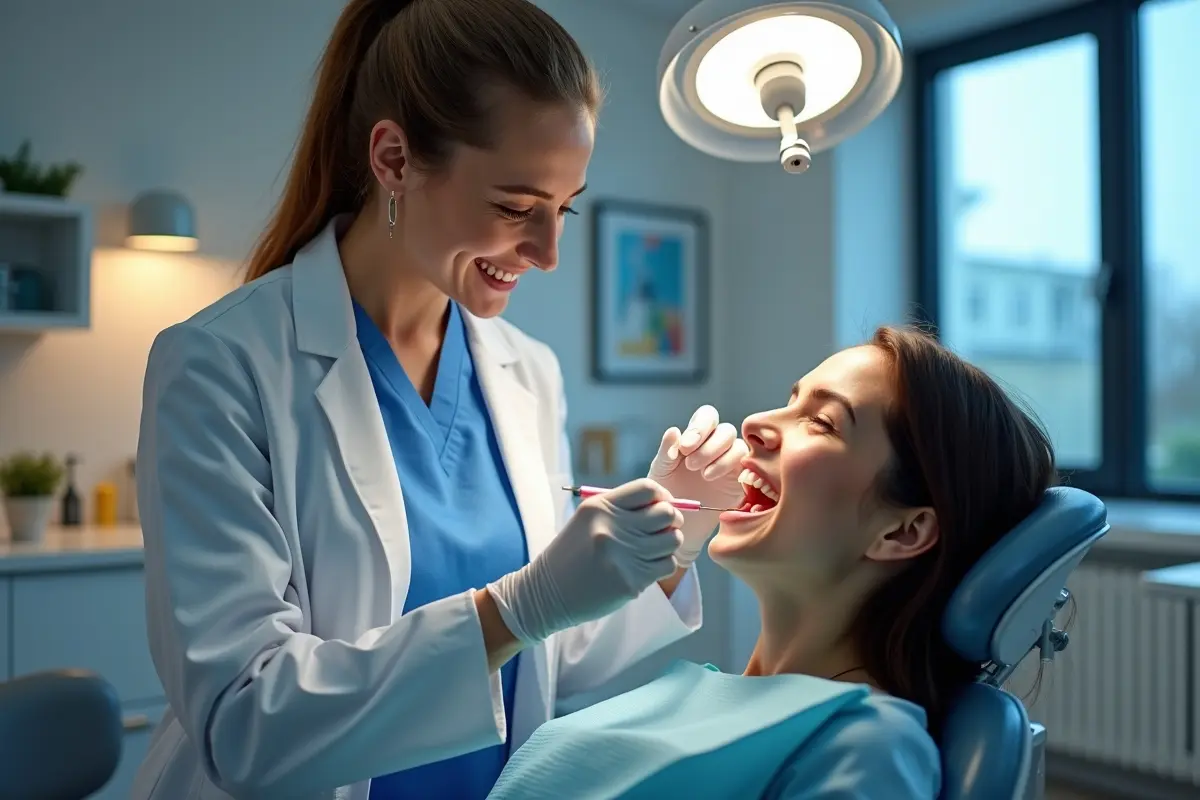
Are Dental Implants Right for You? Pros, Cons, and Candidacy
Missing teeth can impact your confidence, oral health, and overall quality of life in unexpected ways. From hiding your smile in photos to experiencing challenges when chewing or speaking, the effects aren’t just physical—they can also diminish self-esteem and impact social interactions. Fortunately, modern dental solutions have evolved considerably, offering patients an array of effective options.
Nowadays, dental implants in Elk Grove, CA provide a sophisticated, long-lasting solution for tooth replacement that appeals to both functional and aesthetic needs. Dental implants are surgically inserted into the jawbone and designed to mimic the function and appearance of natural teeth. This integration with bone enables implants to restore your smile seamlessly, often resulting in a transformation that looks—and feels—entirely natural.
If you’re uncertain about whether dental implants are the right fit for your dental needs, educating yourself is the first step toward making an informed decision. While implants offer significant advantages over traditional bridges and dentures, your personal health, jawbone quality, lifestyle habits, and individual preferences are all crucial factors in determining suitability.
In this comprehensive guide, we’ll explore the benefits, potential drawbacks, and candidacy criteria for dental implants, equipping you with the knowledge you need to embark confidently on your restorative dental journey.
Contents
Benefits of Dental Implants
Dental implants offer a range of unique benefits that set them apart from other tooth replacement options. Their advanced integration with the natural oral structures not only restores function but can also often surpass the performance and appearance of traditional solutions. Even for those considering comprehensive solutions, options like all on four dental implants philadelphia (or elsewhere) can deliver a full-arch restoration that combines stability, efficiency, and natural-looking results. Below are the primary benefits of choosing implants for tooth replacement:
- Durability and Longevity: Dental implants are primarily made of titanium, a biocompatible material well tolerated by the body. When cared for properly with routine oral hygiene and regular dental checkups, implants can last several decades or even a lifetime, making them an efficient long-term solution. Unlike dentures or bridges, which may need repair or replacement every 5–10 years, implants are designed for stability and durability.
- Improved Oral Function: One of the hallmark features of dental implants is their ability to restore near-natural chewing and biting power. Unlike removable dentures, which can slip or move during meals or conversations, implants are firmly anchored in the jaw. This security allows patients to enjoy a wide variety of foods once more, from crunchy fruits and vegetables to hearty meats, without discomfort or fear of embarrassment.
- Preservation of Jawbone: Tooth loss can trigger a slow but progressive loss of jawbone density—a process called bone resorption. This deterioration can alter facial shape, leading to a sunken appearance and premature aging. Implants mimic tooth roots, stimulating bone tissue and helping preserve the jaw’s natural contours. This feature makes them uniquely advantageous compared to traditional bridges or dentures that do not address bone health.
- Independence from Adjacent Teeth: Unlike conventional bridges, which rely on adjacent teeth for support (often requiring the filing down of healthy teeth), dental implants stand independently. This means surrounding teeth are left intact, reducing the risk of future complications and helping to preserve your long-term oral health.
Moreover, dental implants look and feel just like natural teeth, which can be crucial for maintaining or even boosting your self-confidence in both social and professional situations. Many patients find that their implant-supported crowns are virtually indistinguishable from the rest of their smile, further ensuring comfort and peace of mind.
The choice between implants and other options often depends on a person’s specific health needs and budget. Many people find that traditional dentures are a practical way to restore their smile without the need for surgery. If you live in the Halton region, a denturist Burlington Ontario is available to discuss these options in person. These professionals focus on the design and fit of removable teeth to make sure they are comfortable for daily use. This path is often faster than the months required for implant healing. It allows patients to get back to their normal routines with a full set of teeth much sooner.
Drawbacks and Considerations
As life-changing as dental implants can be, they are not without their drawbacks. It’s essential for any patient considering implants to take the following potential limitations into account to make a well-rounded decision:
- High Initial Cost: Dental implants typically cost more than bridges or dentures. This initial investment covers advanced technology, surgical procedures, and highly durable materials. Although fewer replacements can offset the lifetime cost, not everyone may find the initial expense feasible without financing or insurance.
- Lengthy Treatment Process: Receiving a dental implant isn’t a one-visit procedure. The entire process can span several months, typically including initial consultations, X-rays or 3D scans, one or more surgical appointments, and an extended healing period (osseointegration) before the permanent crown is affixed. Patience is necessary, as is dedication to post-surgical care for the best possible outcome.
- Surgical Risks: As with any surgery, dental implant placement carries certain risks. These include infection at the surgical site, nerve damage (which can cause pain, tingling, or numbness), sinus complications (in upper jaw implants), or, in rare cases, implant rejection due to the body’s response. Choosing an experienced oral surgeon can help minimize these risks, but they cannot be fully eliminated.
- Not Suitable for Everyone: Not every patient is a candidate for dental implants. People with certain chronic illnesses (like uncontrolled diabetes), insufficient jawbone density, untreated gum disease, or habits like heavy smoking may be at higher risk of implant failure. Some medical conditions or prescription medications can also interfere with healing or increase surgical risks. Pre-treatment procedures, such as bone grafting, may be necessary to strengthen the jawbone and improve success rates in borderline cases.
Who Is a Good Candidate?
A thorough dental and medical evaluation is critical to determining if dental implants are suitable for you. Your dentist will assess factors such as oral hygiene, gum health, and bone quality to determine your candidacy. The following criteria are usually considered for implant candidates:
- Consistently good oral hygiene, including daily brushing, flossing, and commitment to ongoing professional care.
- Healthy, disease-free gums and sufficient bone volume and density to securely anchor the implant. In cases of bone loss, additional grafting treatments may be recommended to rebuild the jaw tissue.
- Non-smokers or individuals willing to quit, since tobacco use can greatly impede healing and reduce the success rate of dental implants.
Certain health issues—such as uncontrolled diabetes, immune system disorders, or recent heart attacks—can complicate the healing process or make surgery inadvisable. If you have a history of cancer treatment (like radiation to the head or neck), or if you take medications that affect bone metabolism, your dentist will weigh these factors carefully. Sometimes, the road to candidacy includes additional steps, such as treating gum disease, tooth extractions, or bone or soft-tissue grafts.
Alternatives to Dental Implants
If dental implants aren’t suitable for you—due to cost, medical, or anatomical factors—other effective tooth replacement options are available. Your dentist can help you compare these alternatives based on your unique clinical picture and personal priorities:
- Dental Bridges: A dental bridge replaces one or more missing teeth by anchoring to adjacent natural teeth or implants. These fixed restorations can provide excellent function and aesthetics, particularly useful if healthy teeth are present on either side of the gap. However, they do require preparation (and sometimes reduction) of neighboring teeth for support.
- Partial or Full Dentures: Dentures are removable appliances tailored to replace multiple teeth (partial dentures) or an entire arch (full dentures). They are generally more affordable and can be fabricated quickly. While less invasive, dentures may gradually lose their fit as the jawbone changes shape and can occasionally slip or click during normal activities.
Each solution has specific pros and cons regarding stability, comfort, maintenance, and cost. A candid discussion with your dentist regarding your lifestyle, oral health, and goals will help ensure you choose the right replacement option for your needs, budget, and expectations.
Questions to Ask Your Dentist
Taking the step toward dental implants—or any restorative dental procedure—should be guided by open communication with your care provider. Consider preparing a list of thoughtful questions to bring to your consultation, including:
- Am I a suitable candidate for dental implants given my overall health and dental history?
- What is the comprehensive cost of treatment, and are there financing options or payment plans available to help manage the expense?
- How long will the entire process take, from initial consultation through to the placement of the final dental crown?
- What specific risks or complications are most relevant to my personal health profile?
- How many successful dental implant procedures have you performed, and what are your success rates?
Empowering yourself with the right information brings clarity and confidence as you weigh your options. Ultimately, the best tooth replacement will restore both the health and appearance of your smile, improving daily function, your sense of well-being, and your peace of mind for years to come.