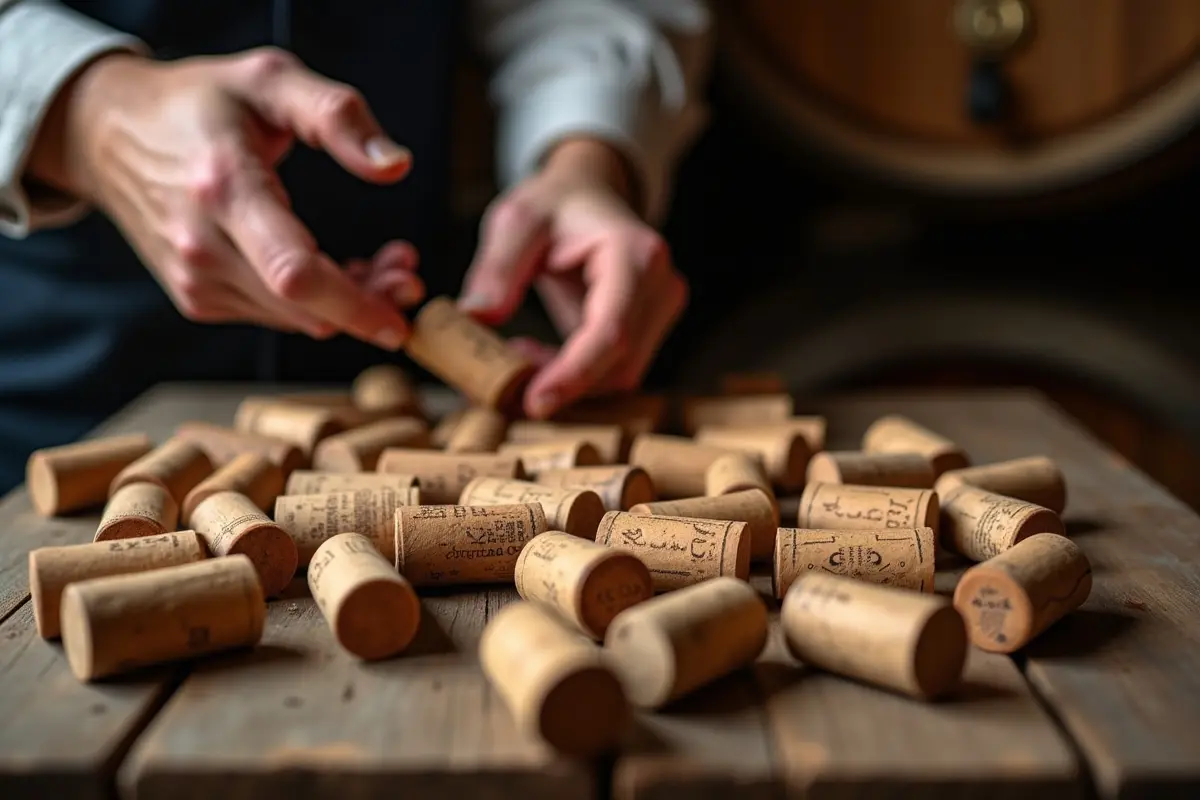
How Cork Selection Affects Wine Aging (And What Most New Producers Get Wrong)
Walk into any wine shop and grab a random bottle. Check the closure. It’s likely either a natural cork, a synthetic cork or a screw cap. Most consumers don’t pay it any mind. But here lies the reality of the situation: that little piece of material keeping the vessel sealed determines whether the contents will age beautifully or turn to vinegar, and it’s all relative to oxygen exposure.
Most new producers think about cork choice after blending and label developing, this is a mistake. Cork is what allows for any interaction with oxygen over months and years. By wrongfully assuming cork is a secondary choice, producers misguide flavor aging, promise delivery and consumer perception. Ideally, the earlier corks are chosen the better for they set the stage for what is to come.
Contents
Why Oxygen Is Essential for Aging Success and Failure
Wine aging is not magic. It’s chemistry. And oxygen is at the root of it all.
Tiny amounts of oxygen provide development. Tannins soften. Harsh edges dissolve. New flavors emerge that weren’t present at bottling. This is the desired effect of why people age wine in the first place.
Excess oxygen? Oxidation. The wine becomes brown, lacks fruit character and tastes like sherry (unless otherwise intended). No oxygen? The tannins remain firm and rudimentary interest never develops in the way desirable for what aged wines should be.
Incredibly, cork is at the helm of this process. Different products have different rates of oxygen transmission. If it’s too much or too little, then it’s unlikely the wine will ever render valuable aging, or worse yet, spoil before the consumer even cracks it open.
What Natural Cork Does
Natural cork comes from the bark of a tree, and it’s been used for centuries to seal bottles; there’s a reason why it’s still popular today.
Natural cork consists of thousands of little pockets of air and thus creates a semi-permeable situation which means microscopic levels of oxygen can come through over time. Aged wines benefit from exposure as they develop through integration with time, especially since many reds are made with tannic structure and need the slow exposure to foster development.
Yet natural cork isn’t without its faults. There are various levels of quality. A premium natural cork might have a steady oxygen transmission rate while a crudely made one might dry out, crumble or house TCA, the compound that makes “corked” wine, which essentially spoils the wine entirely, creating wet cardboard notes making it undrinkable.
Compounded failure matters more than many new producers realize. Even with quality cork, there’s about 2-5% failure among natural corks when exposed to air and time over time. For a small producer producing thousands of bottles, that’s dozens of awkwardly ruined bottles in circulation.
The Synthetic Opportunity
Synthetic corks look like natural corks but they’re made from plastic polymers and eliminate the issue of TCA risk, no tree bark means no risk for cork taint.
Oxygen transmission is more consistent with synthetics than natural cork, which is a good thing. However, many synthetics allow for more oxygen through than natural cork, especially within the first few years after bottling. This is okay for wines designed to be consumed in the first year or two of aging when they’re meant to be everyday drinking wines that are bright and fresh.
However, for wines intended to age, synthetics promote oxidation at a higher level than desired, for instance, what takes five years to integrate might peak at two and fall from there. It doesn’t spoil, it just follows a different aging trajectory than what natural cork provides.
Some newer synthetics create engineered oxygen transmission rates and mean that high-end synthetics do mirroring at natural corks to an almost perfect degree; however, they come in at costs similar to premium natural cork, which takes an additional level of consideration.
Screw Caps
Screw caps eliminate all air entirely. Basically, they seal up wine with intention never to let air in.
Thus, they’re wonderful for youthful fruit characteristics like Sauvignon Blanc, rosé and other lighter-bodied whites; they don’t need air exposure to improve, they need to be protected from oxidation and screw caps do just that without question.
For reds designed to age, screw caps have their challenges. Without air exposure, tannins remain high and firm; they’re not necessarily reductive in characteristic, but some argue that sulphur compounds emerge as off-putting aromas. Others argue modern screw cap liners avoid this contention altogether and thus remain unfounded for years.
The final verdict on screw caps is still out because screw caps haven’t been established long enough in the market to warrant enough feedback over decades. Some producers use them successfully aged but conventional wisdom appeals more to natural cork where wines will age for ten years or more as it’s been tried and true for longer.
What New Producers Get Wrong
Producers often choose closures based on price point alone; without understanding what’s at stake first. They think natural cork costs too much over synthetic; however when positioning wines as age-worthy and premium, using synthetic cork sends mixed signals to consumers who expect natural due to price point, even if performance lends itself otherwise.
Second mistake: using the same closure for different types of grapes/ripeness when each needs different types of oxygen exposure over time. A giant Cab meant for ten years of aging needs different characteristics than a Pinot Grigio destined to be drunk within one year.
Third mistake: ignoring storage considerations. Natural cork needs humidity; if sold through retail channels where a wine could be stored upright in an excessively dried region, then natural cork can dry out and leak, this only presents problems down the road.
Fourth mistake: testing! Bottling thousands of cases with untested samples from new third party suppliers is risky business. Smart producers run small test batches with smaller levels stored in various locations with various conditions and see how they develop over time before commitment.
How To Pick Closure Based on Intention
Wines designed for 18 months or less: screw cap or synthetic works well as price point matters more here than any reason to hold off on development; no slow oxidation is necessary.
Wines designed for 2-5 years: this is tricky middle ground; premium synthetic works as does natural; however with price point, if a wine is $30 or above, chances are good it needs natural as expectation.
And wines intended for 5+ years: safest choice is natural; the precedent suggests that utilizing what has worked for decades ensures consumer trust that what they put in their cellar will age, the same way others have before.
The Technical Aspects That Matter
Oxygen transmission rate measures how much oxygen permeates a closure over time, it’s measured in milligrams per bottle per year. Natural cork typically allows 1-3mg/year through; synthetic runs from 1-8mg/year depending on which one you use; screw caps allow less than 1mg/year.
For red ages, 1-2mg/year preferred based on historical tracking. Much higher means premature oxidation; much lower means improper development.
Cork length also matters. No less than 45mm/49mm|54mm works better over time than shorter ones (38m|44mm), They cost more but there’s a better seal and a better chance for aging potential since there’s more volume on contact area with the neck of the bottle than through debossed edges that allow for air ingress.
What Success Looks Like
The right closure choice means positive development across the board: tannins blend their texture; fruits evolve in character without fading away, and people enjoy the wine better after five years than they did upon release.
If the opposite happens, disappointed consumers, premature development, and either way provides no integration into complexity, then consumer confidence waivers and they wonder why features fail to materialize when pitching sales supported such potential.
Most new producers won’t get it right the first time, but that’s okay because closure is not just packaging: closure is a technical consideration worthy in quality management levels of vineyard disposition or fermentation decisions made in other areas previously so closure gets its due accordingly and educated guesses lead quality adjustments accordingly.